Deck the Halls
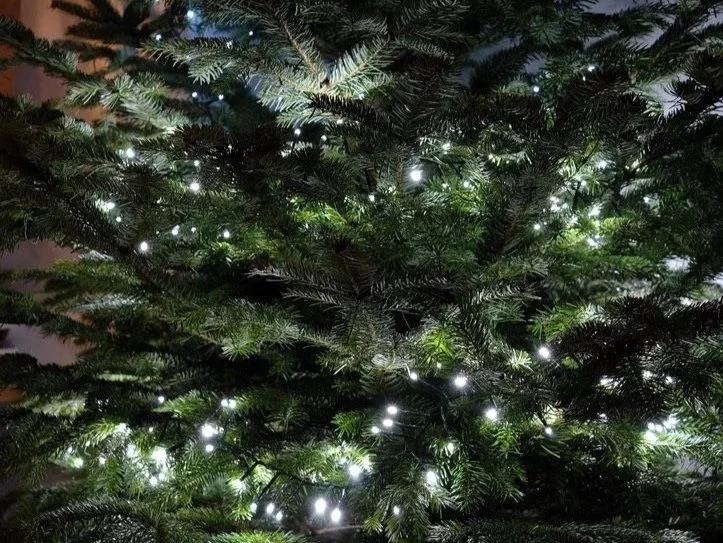
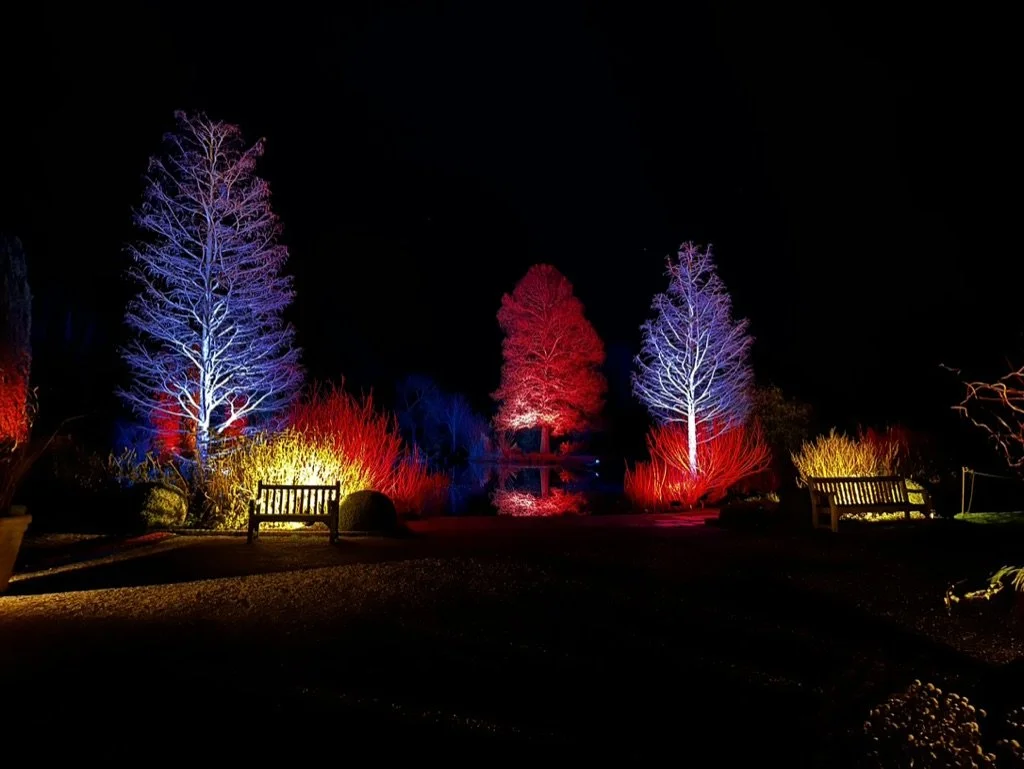
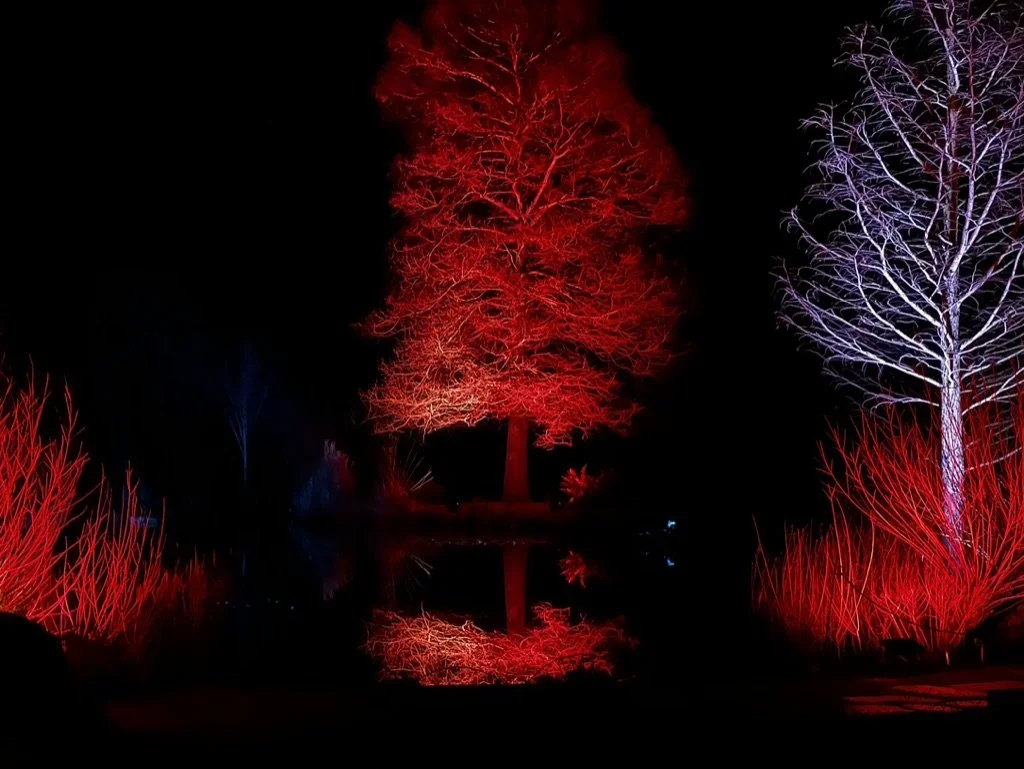
Travelling around my home town at the moment, I can’t fail to notice the bright glowing array of festive lights adorning the majority of houses, front gardens and balconies.
We all know this deep-rooted traditional way of celebrating this time of year, and with the ever-increasing number of lighting products to choose from, each annual display is becoming bigger and better. Perhaps spurred on by an element of ‘keeping up with the Joneses’ (think Deck the Halls and National Lampoon’s Christmas Vacation, for those who know).
So what? You may rightly ask! Why are you even bringing this up?
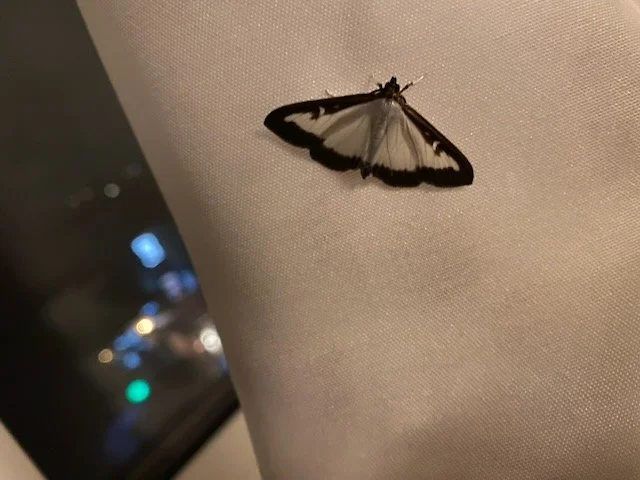
The answer lies in the detrimental effects these lights can have on wildlife, disrupting the natural order of birds, mammals, amphibians, insects, and plants. It affects everything from feeding patterns to sleep patterns, migration habits and breeding. We as humans rely on the contrast of day and night, light and dark, to set our circadian rhythms and keep our hormones balanced.
To delve further into this, check out DarkSky International, a worldwide movement promoting Dark Sky places, training for better lighting use and education around the effects of light pollution.
Christopher Hudson, of the fabulous Hudson Lighting, perfectly summed up;
”Cooler whites and blue-rich LEDs travel much further in winter. With no foliage to absorb or scatter light, those bright white strings and spotlights can glow across entire streets and straight through bare hedgerows. For wildlife, this is the toughest time of year already, so warmer light is the kinder and more contained option.”
Okay, so what can we do to help?
First off, question whether you could reduce the amount of lights you currently have on display.
Set them up on a timer, so they are not on any longer than needed.
If possible, replace the lights you have, or if you are buying new, remember the warmer the better (aim for 2700K or more). For all good lighting products, the colour temperature will be specified, an example might look like this: Colour Temperature (K): 2700-3000
All of the above can be applied to any outdoor lighting, not just Christmas/Festive lights (more on that another day).
My final question (or two):
What if we gave a little more consideration to the wider environmental impact, to nature, to wildlife? Could we have both the spectacle and the sense?
And would you consider changing your festive scheme for the benefit of the bats, birds and brimstone moths?
If you would like more information on Dark Skies strategy, please leave a comment or drop me a message.